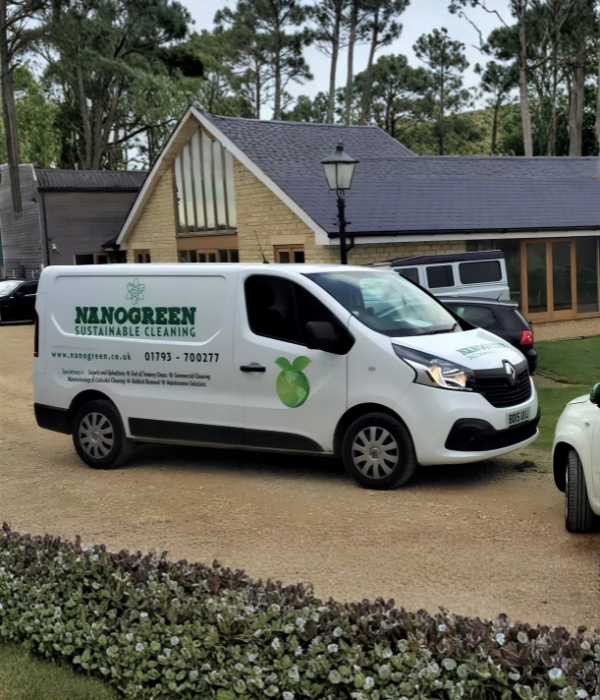


EV fleet leasing for a practical move to electric
Toomey Leasing Group provides EV fleet leasing for UK businesses moving to electric and hybrid cars and vans. We plan the transition with you, from whole life costs and company car tax to home charging, so the switch suits how your business runs.
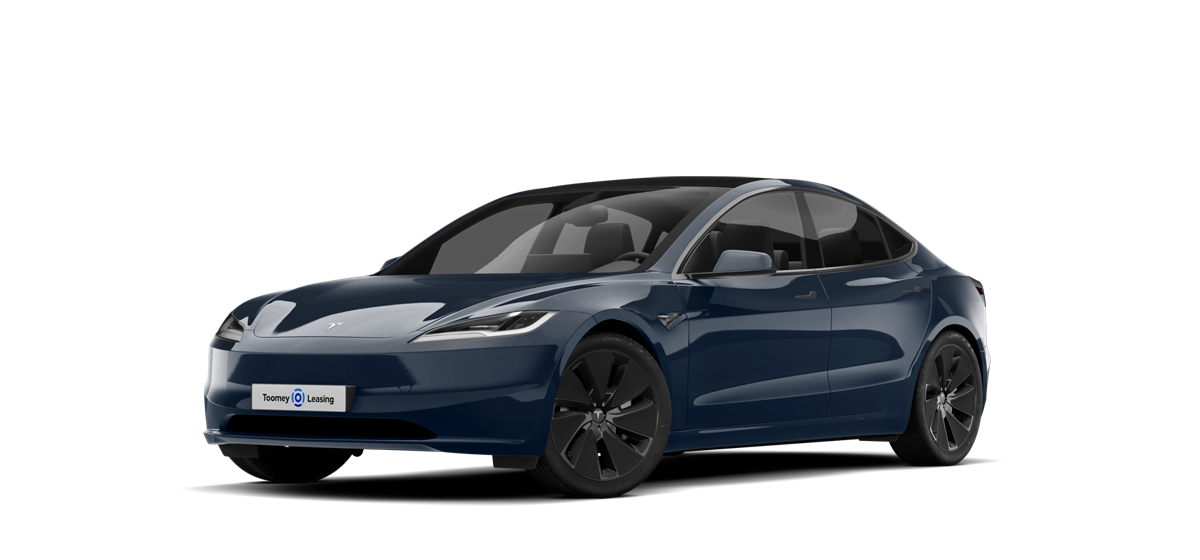
Electric vehicle fleet leasing built around your business
An electric fleet transition should support your business objectives, not disrupt them. We help finance directors and fleet managers analyse whole life costs, assess vehicle suitability, and plan infrastructure requirements to ensure the transition remains commercially viable. We prioritise practical planning over environmental hype, focusing on long-term operational stability.
EV fleet leasing lets you move drivers into electric vehicles on fixed monthly rentals, without carrying the battery and resale value risk that comes with buying. We start with how each vehicle is used, then recommend a fully electric, plug-in hybrid or conventional model for each role.
Support at every stage of your EV fleet transition
Transitioning your fleet is a significant operational shift. At Toomey Leasing Group, we move beyond simple vehicle supply. We analyse your current fleet usage, identify the right vehicle profiles for your business, and model the financial impact—ensuring your move to electric improves your bottom line rather than disrupting it

Our Partnership with Ohme
EV fleet leasing FAQs
Frequently asked questions about fleet electrification
-
EV fleet leasing is the contract hire of electric and plug-in hybrid cars and vans for business use, on fixed monthly rentals. The leasing company owns the vehicles and carries the risk on battery health and resale value, which have been harder to predict for EVs than for petrol and diesel models.
Because the funder takes the resale risk, leasing is often the lower-risk way to add electric vehicles while the technology and the used market keep changing. EV fleet leasing works the same way as our fleet car leasing and van fleet leasing, so electric models can sit in the same fleet as petrol and diesel vehicles. Our EV FAQs cover range, charging and running costs in more detail.
We identify which roles in your fleet are ready for electric now and which are better left for the next replacement cycle. Discuss EV fleet leasing with our team.
-
Company car tax on a fully electric car is charged on 4% of its list price in the 2026/27 tax year, compared with up to 37% for higher-emission petrol and diesel cars. The rate rises to 5% in 2027/28, 7% in 2028/29 and 9% in 2029/30, so electric company cars remain much cheaper to provide.
The percentage is applied to the car’s list price and the driver pays income tax on that amount, while the employer pays Class 1A National Insurance on the same figure. HMRC appropriate percentages for 2026/27 and the rates set for 2028 to 2030 show every band. Cars with CO2 emissions of 50g/km or less also avoid the 15% lease rental restriction on tax relief. Our article on how company car tax is calculated includes a worked example.
Every EV fleet leasing quote from Toomey Leasing Group includes a benefit-in-kind comparison for the driver. Request a quote with tax figures.
-
Electric vehicles suit most business driving where daily mileage sits within the vehicle’s real-world range and drivers can charge at home, at work or at a depot. We review each role’s duty cycle before recommending an EV, so drivers with long or unpredictable journeys can be placed in a plug-in hybrid or conventional vehicle instead.
Real-world range is usually lower than the official figure, particularly in winter and at motorway speeds, so we size vehicles against actual journeys rather than brochure range. Data from our mileage capture service shows which drivers are suited to electric, and our article asking whether EVs are cheaper to run than petrol cars compares running costs.
Share your drivers’ typical mileage and we’ll show which roles could switch at their next renewal. Book an EV suitability review.
-
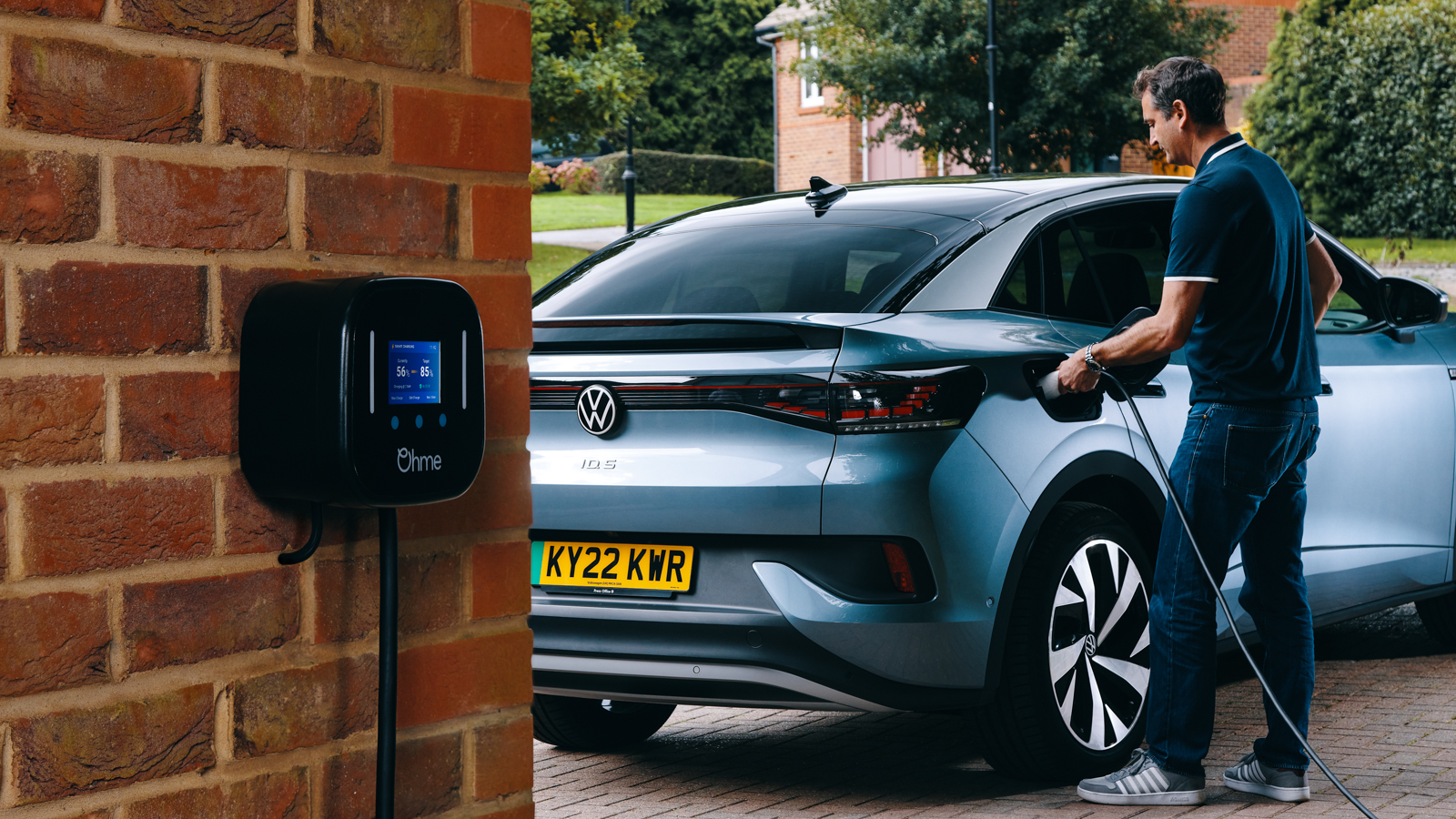
Charging for leased electric fleet vehicles is usually a mix of home, workplace and public charging. Through our partnership with Ohme, drivers can have a smart home charger installed, with automated billing and reporting so the business reimburses home charging accurately without manual mileage claims.
Accurate reimbursement matters because HMRC sets an advisory electricity rate for business miles in company cars, and claims without data are hard to check. Ohme home charging for fleet drivers records the electricity used, while workplace charge points help drivers who can’t charge at home.
We arrange charger installation alongside the vehicle order, so drivers can charge from the day their EV arrives. Ask us about home charging.
-
Transitioning to electric vehicles can offer significant advantages for both the organisation and the driver through favourable benefit-in-kind (BIK) tax rates. We provide a full analysis of these savings as part of our fleet review.
-
Range anxiety is a common concern. We use data-driven insights from your current fleet’s duty cycles to determine which roles are suited for fully electric, plug-in hybrid, or traditional fuel vehicles.
-
Our team monitors regulatory shifts, such as emissions zones and government grants. We ensure your fleet policy remains flexible and compliant with long-term environmental targets.
-
With appropriate planning, the transition should support operational continuity. We focus on vehicle suitability, route planning, and responsive maintenance coordination to ensure that your fleet remains operational and that any transition-related risks are identified and managed proactively.
Start your fleet transition
Discuss EV fleet leasing with our team
Ready to explore the right electric solution for your business? Speak with our team to arrange a comprehensive review of your current fleet.
See our electric vehicle client success stories


Sunseeker International Ltd, Transport Manager
Our fleet was due for renewal and our existing supplier was not interactive. We had meetings to discuss our requirements, specifications and alternatives and have now had a mixture of vehicles, mainly Ford and Tesla reducing our running costs.