BVRLA Fair Wear and Tear: What Businesses Need to Know
When a business leases a vehicle, keeping it in good condition is an important part of managing the agreement. At the end of the contract, the vehicle will usually need to be returned to the leasing company and assessed for its condition.
This is where BVRLA fair wear and tear guidelines can become important. They help provide a consistent way of deciding what is considered normal use and what may be treated as damage.
For businesses managing several vehicles, understanding fair wear and tear can help reduce unexpected charges and make the end of a lease easier to manage.
What does fair wear and tear mean?
Fair wear and tear refers to the deterioration that would reasonably be expected from normal use of a vehicle over the length of its lease.
A vehicle that has been driven for several years will naturally show some signs of use. Minor marks, small areas of wear and other changes may be expected. However, damage that goes beyond what would normally occur through reasonable use may result in additional charges.
The exact standard can vary depending on the leasing agreement, so businesses should always check their own contract. However, the BVRLA fair wear guidelines provide an established reference point for vehicles supplied by BVRLA members.
The British Vehicle Rental and Leasing Association, or BVRLA, represents businesses involved in vehicle rental and leasing in the UK. Its guidelines are designed to help businesses and customers understand the expected condition of a vehicle when it is returned.
What are the BVRLA fair wear and tear guidelines?
The BVRLA publishes a wear and tear guide covering areas such as the vehicle’s exterior, interior, wheels, tyres, glass and mechanical condition.
The guidelines distinguish between natural wear and damage that may require repair.
For example, a small amount of wear from normal use may be acceptable. More significant damage, such as large dents, deep scratches or damage caused by misuse, may not be.
The age and mileage of the vehicle are also relevant. A vehicle that has covered a high mileage over several years would naturally be expected to show more signs of use than a nearly new vehicle with very low mileage.
This is why businesses should not assume that every mark will result in a charge. The condition needs to be considered in the context of the vehicle’s age, mileage and expected use.
What happens when returning your leased vehicle?
When returning your leased vehicle, it will normally be inspected to assess its condition.
The inspection looks at areas including the bodywork, interior, wheels, tyres and glass. The vehicle may also be checked to make sure it meets the return conditions set out in the leasing agreement.
If the vehicle is considered to be in an acceptable condition, there should generally be no additional charge for normal wear and tear.
However, if damage is considered excessive, the leasing company may charge for the cost of putting the vehicle right. These lease charges can vary depending on the type and extent of the damage.
Businesses should therefore take some time to review their vehicles before they are collected.
What can lead to additional charges?
A fair wear and tear lease car should show signs of normal use, but some types of damage are more likely to result in additional costs.
Potential issues can include:
- Large dents or deep scratches
- Damage to alloy wheels
- Cracked or damaged glass
- Missing equipment or vehicle documents
- Significant stains, burns or damage inside the vehicle
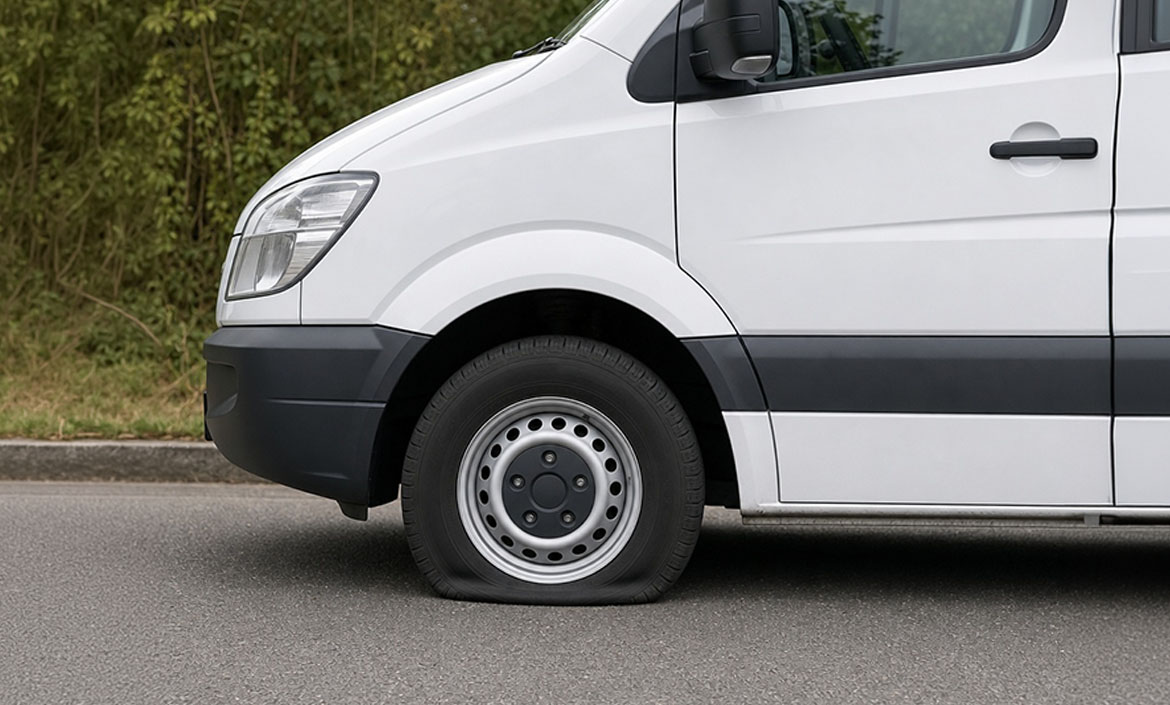
- Tyres below the required legal or contractual standard
- Damage that has not been repaired following an accident
- Modifications that have not been agreed with the leasing company
The cost will depend on the issue and the terms of the agreement. A business may be charged for the replacement cost or repair where damage falls outside the agreed standard.
This is why it is worth dealing with damage before the end of the agreement where appropriate.
How can businesses prepare their vehicles?
Preparing vehicles before they are returned can help businesses avoid unnecessary costs.
Start by checking each vehicle against the relevant fair wear and tear or return guidelines. Look at the exterior in good lighting and check for dents, scratches and damage to the wheels.
The interior should also be inspected. Remove personal items and check for stains, burns or other damage. Make sure any equipment supplied with the vehicle is still present.
It can also be useful to check tyres, lights and glass before the vehicle is collected. If there is damage that falls outside normal wear, businesses may want to discuss the most appropriate course of action with their leasing company.
For larger fleets, carrying out these checks well before the end of each agreement gives businesses more time to deal with any issues.
Does the BVRLA guidance apply to every lease?
The BVRLA guidelines are widely used across the UK leasing industry, particularly by BVRLA members. However, businesses should always check the terms of their individual lease agreement.
The BVRLA is a trade association rather than a regulator, so its guidance does not automatically replace the contractual terms agreed between a customer and a leasing provider.
Your leasing company should be able to explain the return conditions that apply to your specific vehicle.
It is also important not to confuse vehicle fair wear and tear with guidance covering other areas. The search results around this subject can sometimes include terms such as landlords and tenants, rental property, deposit protection and deposit deductions. These relate to property rental rather than vehicle leasing and are not relevant when assessing a leased vehicle.
Why fair wear and tear matters for fleet managers
For a business with one vehicle, preparing for a lease return may be relatively straightforward. For a fleet with dozens or hundreds of vehicles, the process can become more complex.
Fleet managers need to keep track of different vehicles, contract end dates, mileage and condition. Planning ahead can help businesses avoid dealing with several vehicle returns at the same time without enough time to inspect them.
Understanding the full cost of a lease is also important. The monthly rental is only one part of managing a vehicle. Businesses should consider mileage, maintenance, fuel or charging costs, insurance and any potential end-of-contract charges when reviewing their fleet strategy.
A clear process for checking vehicles before they are returned can therefore form an important part of good fleet management.
Talk to Toomey Leasing Group
Understanding fair wear and tear should be part of any business’s approach to managing leased vehicles. Knowing what is expected at the end of an agreement can help businesses plan ahead and reduce the risk of unexpected costs.
Toomey Leasing Group can support businesses throughout the leasing process, from choosing suitable vehicles to managing changing fleet requirements.
If you are considering a car lease for your business or reviewing your existing fleet, speak to Toomey Leasing Group to discuss your requirements and find out more about our business vehicle leasing solutions.