Ford and Renault Announce Partnership to Develop Compact EVs
Explore the notable development in the EV space: the new Ford–Renault partnership.
The electric vehicle market in Europe continues to evolve at speed, and one of the most notable developments is the new Ford–Renault partnership. This collaboration will see the two manufacturers work together to create compact EVs designed specifically for the European market. As demand grows for smaller, efficient, city-friendly electric cars, this partnership marks a significant shift in how major brands approach development, production, and technology sharing.
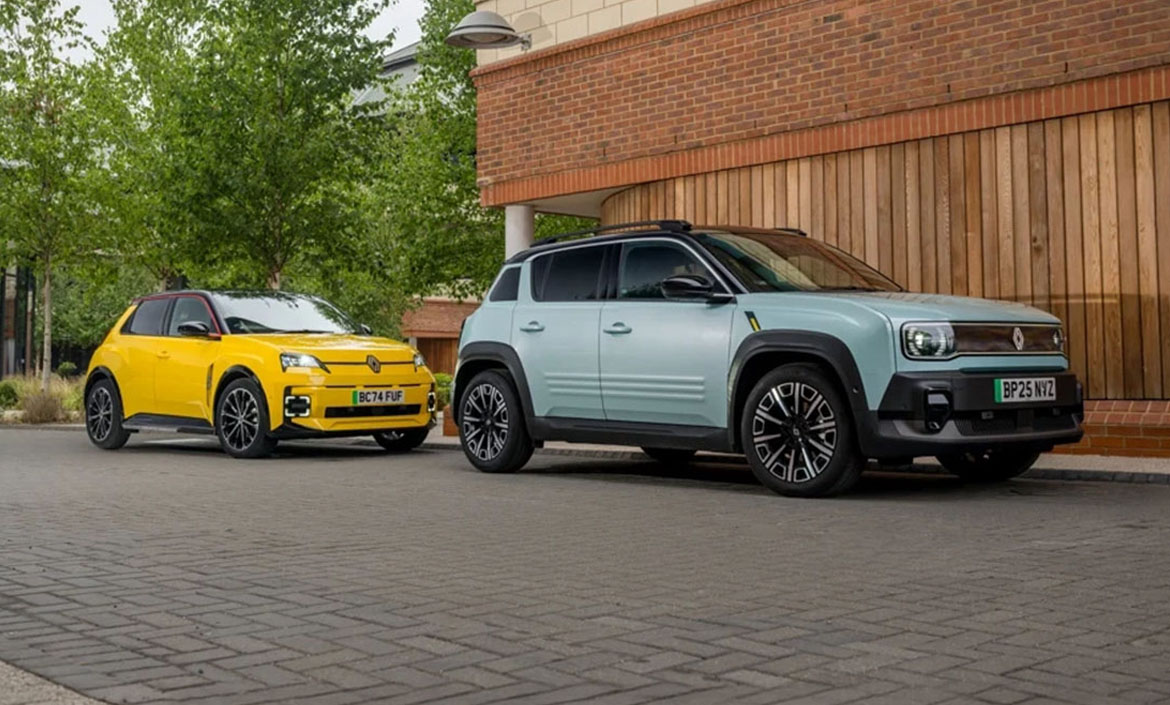
Ford will launch two compact electric cars using the Renault Ampere platform, the same electric architecture used in the Renault 5, Renault 4, Alpine A290, and the next-generation Twingo. This move gives Ford access to an established and flexible EV platform, plus a full suite of electric motor and battery technologies. For Renault, it reflects the confidence the brand has in its EV systems, and the broad potential of Ampere as more than just an internal asset.
Jim Farley, President and CEO of Ford Motor Company, explained that the partnership marks an important step in Ford’s plan to build a highly efficient and fit future for its European operations. He stated that combining the Group’s industrial scale and EV assets with Ford will help create electric cars that deliver a distinct Ford identity while benefiting from Renault’s engineering and manufacturing capabilities. According to Farley, this collaboration is an important step for Ford as it continues shaping its future business in Europe.
Renault Group sees the agreement the same way. CEO François Provost said the Renault Group marks the announcement as a strong sign of its ability to collaborate at scale. He noted that joining forces with Ford, an iconic global brand, strengthens competitiveness and helps both companies remain responsive in a fast-changing market.
This cooperation arrives at a time when compact EVs are increasingly important to European buyers. Models such as the Fiat 500e, Citroen e-C3, Volvo EX30, Hyundai Inster, and even ultra-affordable options like the Dacia Spring show how significant this segment has become. Urban drivers want electric cars with affordable pricing, practical rear seating, and enough miles of range to meet daily needs. The Ford–Renault partnership aims to deliver exactly that while bringing brand distinction and improved production efficiency.
A New Electric Fiesta Successor
One of the most headline-worthy outcomes of the partnership is the likely creation of an electric successor to the Ford Fiesta. After the petrol Fiesta ended production, Ford left a gap in the compact segment, a gap that many expected the brand to re-enter once a suitable EV platform was found. Renault’s Ampere architecture provides the ideal opportunity.
The two upcoming Ford compact EVs will be:
- Designed by Ford,with Renault Group
- Engineered to deliver distinctive Ford driving dynamics, even though they share underpinnings with Renault’s small EVs.
Ford confirmed that the first model is due in early 2028, signalling the start of a new product offensive for the brand in Europe. These models are expected to be positioned between affordable EVs like the Dacia Spring and higher-end electric SUVs like the Volvo EX30, providing a competitive option for drivers who want Ford’s personality without a premium price tag.
Leveraging Renault’s EV Expertise
Renault has built one of the most mature EV portfolios in Europe. Its early adoption of fully electric platforms, supported by years of experience with models like the Zoe, gives Ampere a strong foundation. By partnering with Renault, Ford gains access to:
- Established battery technology
- Efficient motor systems
- Scalable EV production
- A platform optimised for compact European cars
These assets help Ford accelerate development rather than building a small-EV architecture from scratch. For Renault, partnering with Ford increases volume, strengthens economies of scale, and enhances competitiveness against brands such as Stellantis, Hyundai-Kia, and Volkswagen.
With EV pricing pressure increasing across Europe, shared platforms are becoming an essential part of keeping compact EVs affordable. As production costs rise across the industry, collaborations like this help maintain profitability while still offering customers competitively priced electric cars.
How the Partnership Fits Into Wider Industry Trends
This is not Ford’s first platform-sharing strategy in Europe. The brand already works with Volkswagen, using the MEB platform for the Ford Explorer and the Capri. Expanding its collaboration to Renault reinforces Ford’s transition towards flexible partnerships instead of solely in-house EV developments.
Across the industry, more brands are embracing similar strategies. Stellantis uses shared platforms for the Peugeot e-208, Vauxhall Corsa Electric, and Citroen e-C3. Hyundai and Kia share platforms across their global EV range. Even premium EVs, including those from Volvo and Polestar, share underlying architecture.
It reflects a new era where innovation is less about who builds each component, and more about how effectively brands adapt platforms to deliver distinct experiences.
Light Commercial Vehicle Collaboration in Progress
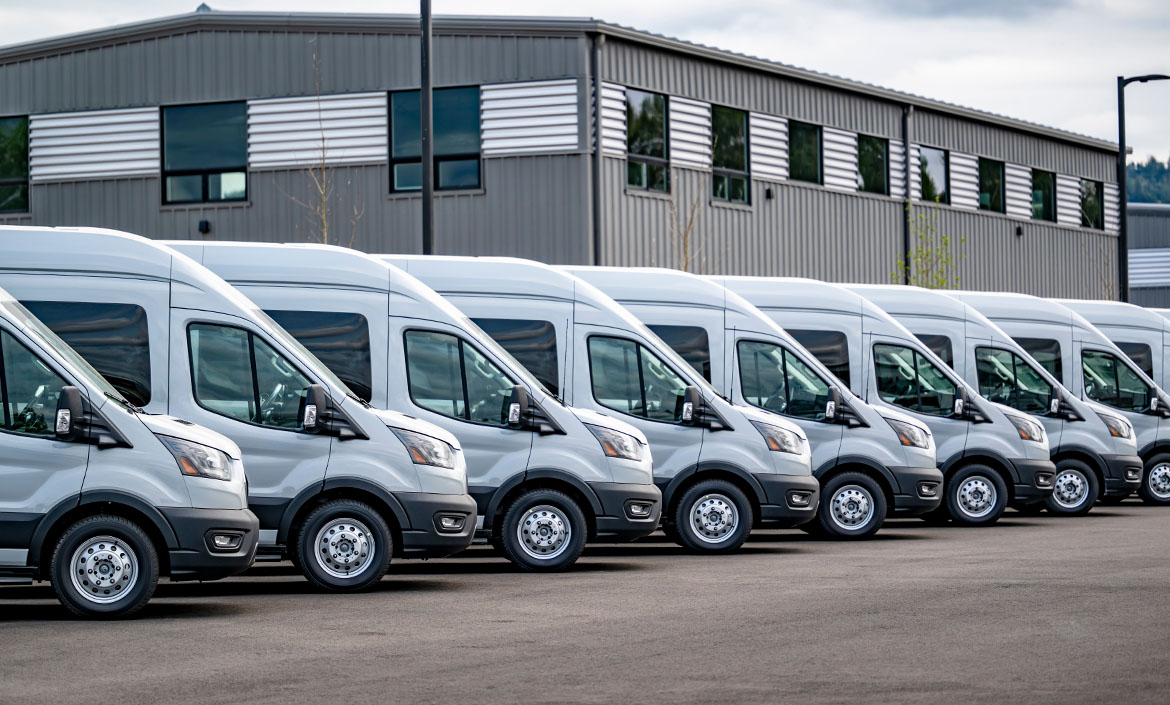
The partnership extends beyond compact EVs. Ford and Renault have also signed a Letter of Intent to explore cooperation on light commercial vehicles (LCVs) in Europe. The aim is to evaluate shared development and production of selected LCV models, which could help both brands streamline costs and expand their offerings.
If realised, this could be particularly impactful in Europe’s rapidly changing commercial EV market, where businesses increasingly consider electric vans for sustainability targets and cost-efficiency. One area where both companies could benefit is improving economies of scale for electric vans, something essential as businesses look for reliability, reduced costs, and longer miles of range.
How This Affects the Future of Compact EVs
The next few years are expected to bring significant growth in the compact EV segment. Drivers increasingly want:
- Lower upfront costs
- Lower running costs
- Practical range
- Strong urban drivability
- Efficient design
- Technology equal to larger EVs
Demand for electric SUVs remains high, but compact EVs are the true volume opportunity. For Ford, this partnership enables it to re-enter a market where it previously dominated for decades with the Fiesta.
With Renault already ahead in compact EV development, the collaboration allows Ford to catch up quickly, offering customers vehicles that feel Ford-engineered, but backed by proven EV technology.
A Strong Step Forward for European EV Development
Overall, the Ford–Renault partnership represents a significant step for both brands. It supports Ford’s strategy to build a highly efficient and fit business in Europe while allowing Renault to expand its influence in EV technology.
As the industry moves toward scalable, shared EV technologies, this partnership stands out as a major development that will influence Europe’s EV market for years to come.